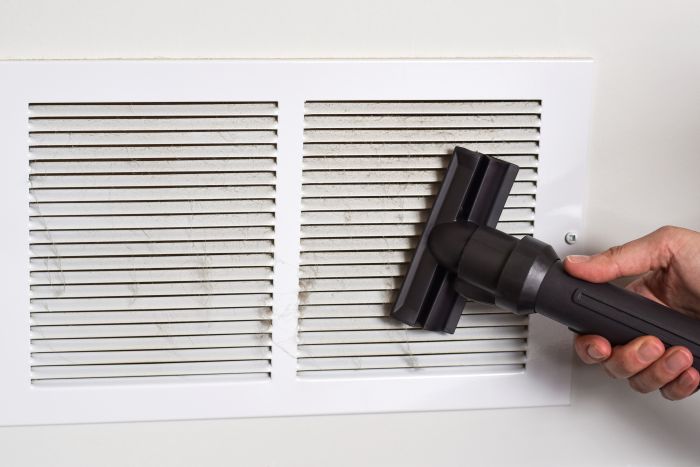
Your attic might be out of sight, but it shouldn’t be out of mind. Hidden beneath that dusty hatch lies a critical space that impacts your home’s air quality, energy efficiency, and even your wallet. Let’s explore why attic cleaning and insulation deserve your attention—and how tackling them can transform your living environment.
Why Your Attic Matters More Than You Think
Attics are like the lungs of your home. They regulate airflow, trap allergens, and play a huge role in keeping your energy bills in check. But over time, they can become clogged with dust, mold, pests, or crumbling insulation. Left unchecked, these issues let contaminants seep into your living spaces and force your HVAC system to work overtime.
In regions like Orange County, where summer heat blazes and winter nights can surprise you with a chill, a neglected attic becomes a liability. Here’s what’s at stake:
- Air Quality: Ever notice that musty smell when you open the attic door? It might be dust, rodent droppings, or even mold spores hanging around up there. The big problem is that these nasty particles don’t just stay in the attic. They can slip into your ducts and vents, eventually making their way into your living room, bedrooms, and anywhere else you spend most of your time. If you or a family member deals with allergies or asthma, that’s a recipe for stuffy noses, coughing fits, or constant sneezing. And mold? It’s more common in attics than you might think. Once it starts growing in a dark corner, it can release spores that hitch a ride on the air blowing through your home. If you’ve been waking up feeling congested or noticing weird smells you can’t quite trace, mold in the attic could be the culprit.
- Energy Costs: A poorly maintained attic is like leaving a window open all year long—hot air gets in during scorching summers, and cozy warmth seeps out on chilly nights. That makes your AC or heater work overtime, which usually ends with a rude surprise on your next utility bill. But seal up those leaks, add or upgrade your insulation, and you’ll notice a lot less energy wasted—and a lighter load on your wallet come bill time.
- Structural Risks: Moisture in the attic can warp wooden beams, rot away roof decking, and attract all sorts of unwelcome critters. Even a small leak can spread and turn into a much bigger headache, complete with sagging ceilings or water stains. Staying on top of things—fixing drips, improving ventilation, and cleaning regularly—doesn’t just protect your attic; it keeps your entire house sturdy, safe, and free from expensive surprises. What might start as a small, harmless drip can morph into a serious structural issue.
Signs Your Attic Needs Attention
Not sure if your attic is causing problems? Watch for these red flags:
- Sky-High Energy Bills: Sudden spikes often trace back to inefficient insulation.
- Uneven Room Temperatures: Rooms that feel stuffy or drafty signal poor airflow.
- Musty Odors or Allergy Flare-Ups: Lingering smells or sneezing fits hint at mold or dust buildup.
- Visible Dust “Snowstorms”: Dust pouring from vents when the HVAC kicks on.
- Pest Noises: Scratching or scurrying sounds after dark? Unwanted guests might be nesting.
The Perks of Professional Attic Cleaning & Insulation
While DIY projects can save money, attic work is best left to pros. Here’s why:
- Deep Cleanup: Experts use industrial vacuums and sanitizers to safely remove dust, rodent waste, and mold—no risky exposure for you.
- Smart Insulation Upgrades: Not all insulation is equal. Professionals recommend materials (like spray foam or radiant barriers) suited to your climate and home design.
- Mold & Pest Solutions: They’ll tackle root causes, like sealing leaks or installing vent fans, to prevent future infestations.
- Energy Audits: Many use thermal imaging to pinpoint exactly where your attic is losing efficiency.
What to Expect During the Process
A typical attic overhaul involves:
-
- Inspection: Ever wonder what’s really going on in your attic? Think of an inspection as a routine checkup—it’s all about spotting trouble before it escalates. A quick look can reveal if your insulation’s too thin, if your vents are doing their job, or if sneaky pests have turned your attic into a critter condo. You might also catch early signs of mold or moisture, which is way easier (and cheaper) to deal with now than after it’s spread. So grab a flashlight (and maybe a buddy for moral support) and see what’s happening up there.
- Debris Removal: Clearing out old, contaminated materials can feel like you’re starring in your own DIY horror movie—complete with masks, gloves, and sometimes hazmat suits. But once you take out decades of dust, rodent droppings, or maybe a forgotten box of VHS tapes, it’s like hitting a giant reset button on your attic. You’ll be amazed at how much fresher the space feels.
- Air Sealing: Plugging gaps around pipes, wires, and ducts to block drafts. If you’ll be crawling for long stretches, your knees will thank you for cushioned support—well-rated construction knee pads help reduce pressure on joists and make the job safer and more comfortable.
- Insulation Installation: Once you’ve sealed the attic tight, it’s time for the cozy stuff. Insulation comes in all kinds of materials—fiberglass batts, blown-in cellulose, spray foam—but the goal is the same: meet your local recommended R-value so you can stay comfortable without demolishing your energy budget. Think of insulation as your home’s favorite sweater—it keeps the heat inside when it’s chilly and stops your AC from working overtime when it’s blazing hot. Sure, it might feel tedious to measure and fill every nook and cranny, but once it’s done, you’ll practically want to lounge around in your attic just to savor how well it holds the right temperature.
- Preventative Measures: Installing vents, rodent-proofing, or vapor barriers to protect your investment. Congratulations, you’ve got a clean, sealed, and insulated attic—now let’s keep it that way.
Choosing the Right Insulation
The best type depends on your needs:
- Spray Foam: Ever walked into a room and felt a blast of hot air hit you in the face, even though the AC’s supposedly doing its thing? Spray foam insulation might be your saving grace.
- Fiberglass Batts: Sometimes you just want something straightforward and easy on the wallet, right?
- Cellulose: If you’ve been looking for a more eco-friendly way to keep your house cozy, say hello to cellulose.
- Radiant Barrier: Ever felt like your attic was hotter than the center of the sun the moment you stepped inside?
Pro Tip: Look for ENERGY STAR-rated products to maximize savings.
Cost Breakdown: Attic Cleaning & Insulation
Prices vary, but here’s a rough guide:
- Cleaning: 300–300–800 (depends on contamination level).
- Insulation: 1,500–1,500–3,500 (based on material and square footage).
- Mold Remediation: 500–500–4,000 (if severe damage exists).
Money-Saving Hack: Some utility companies offer rebates for insulation upgrades—ask yours!
DIY vs. Professional Services: What’s Safe?
While you can handle minor tasks like dusting vents or replacing insulation batts, avoid:
- Disturbing Mold or Asbestos: If it’s mold or asbestos, that’s your cue to step back and call in a professional ASAP.
- Rodent Cleanup: Rodent droppings can carry nasty stuff like hantavirus—call a pro.
- Complex Insulation Jobs: Big installs can go wrong fast—don’t risk moisture problems or poor R-values.
Affiliate Product Picks for Attic Maintenance
(Note: This blog participates in affiliate programs. Purchases via links support our content at no extra cost to you!)
-
- Atticat Expanding Blown-In Insulation (Perfect for DIY touch-ups)
- Dri-Eaz HEPA Air Scrubber (Rentable for dust cleanup)
- Frost King Foam Sealant (Great for air gaps)
- Comfort & Safety Pick: Construction knee pads for attic crawls — protects knees when moving across joists and tight spaces.
Final Thoughts
Your attic isn’t just storage space—it’s a barrier between your family and the elements. Investing in cleaning and insulating your attic improves your health and gives you comfort, savings, and protection of your home’s value. Whether you hire a pro or tackle minor fixes yourself, prioritize this often-forgotten space. Your lungs (and wallet) will thank you!
Got Questions? Drop them below! We’re here to help you breathe easier and save smarter.
🛠️ See More Items You Can Buy
Keep your attic cleaning routine efficient and stress-free with a few essentials we recommend:
- Energizer Alkaline Power Batteries – Perfect for powering flashlights, detectors, and attic lights.
- Duct Tape Heavy Duty – Ideal for quick repairs and sealing insulation gaps.
- Cleaning Wipes – Great for wiping down dusty boxes and attic surfaces.
- Dustpan – Handy for sweeping up debris after your cleanup.
- Keyboard – Handy Wireless Keyboard and Mouse Combo.
(Disclosure: This post contains affiliate links. We earn a commission if you purchase through these links, but we only recommend products we trust.)